
The ward round your students can practise before they meet a real patient.
Clinoor puts pharmacy and medical students inside a simulated electronic medical record. They read the chart, review every medication order, and document their decisions. You mark the work and release feedback when you choose.
Runs in the browser on iPad, tablet, laptop or phone. Nothing to install.
Lectures teach the guideline. Practice needs the patient record.
Paper cases hide the hard part
A printed case gives students the answer's ingredients in one paragraph. On the ward, they must find them across notes, labs, orders and the medication record.
Ward exposure is uneven
Two students on the same rotation can see very different patients. Clinoor gives the whole class the same case, so every answer can be compared and marked fairly.
Mistakes belong in practice
A missed renal adjustment or interaction costs nothing here. Students learn from it before it can reach a real patient.
Three steps, one realistic patient record
The instructor assigns a case
Pick from the library by specialty, set a due date, and choose how clinical alerts behave for this assignment.
The student works the chart
Progress notes, labs with trends, vital signs, the medication record and the orders. For each order: approve, modify or hold, with a written rationale.
You mark and release
Mark against the model answer, add comments, and release results to the class when you are ready.
What students and instructors see
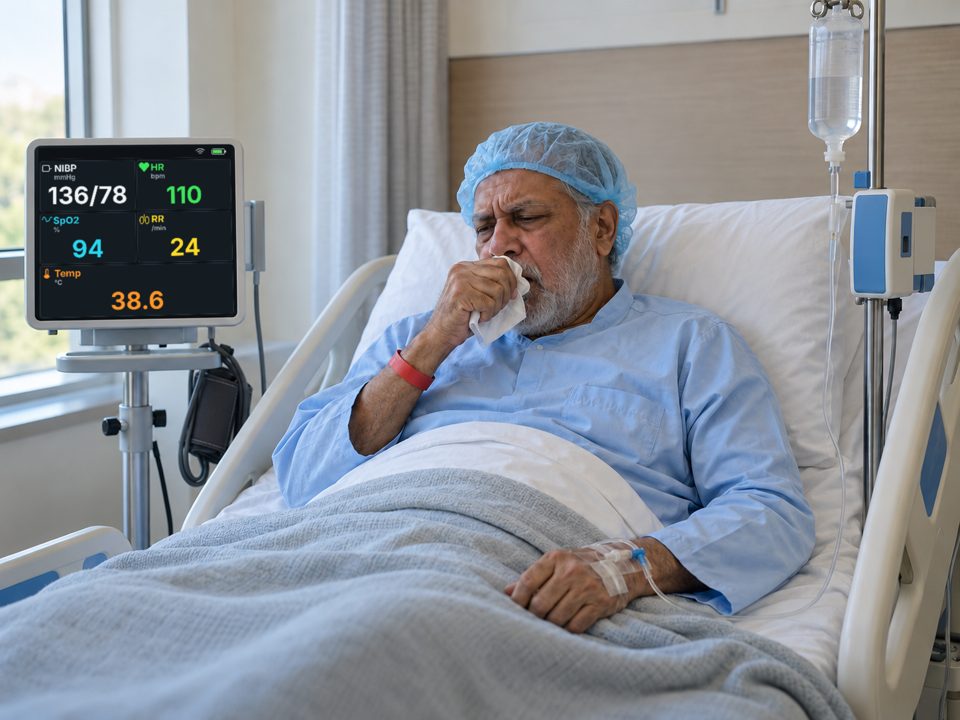
The whole record in one place: notes, vital signs, a realistic simulated patient and a bedside monitor that matches the file.
For each new order the student decides, adjusts the full medication plan and writes a clinical note.
Results over time, with trends, so students notice what is changing, not just what is abnormal.
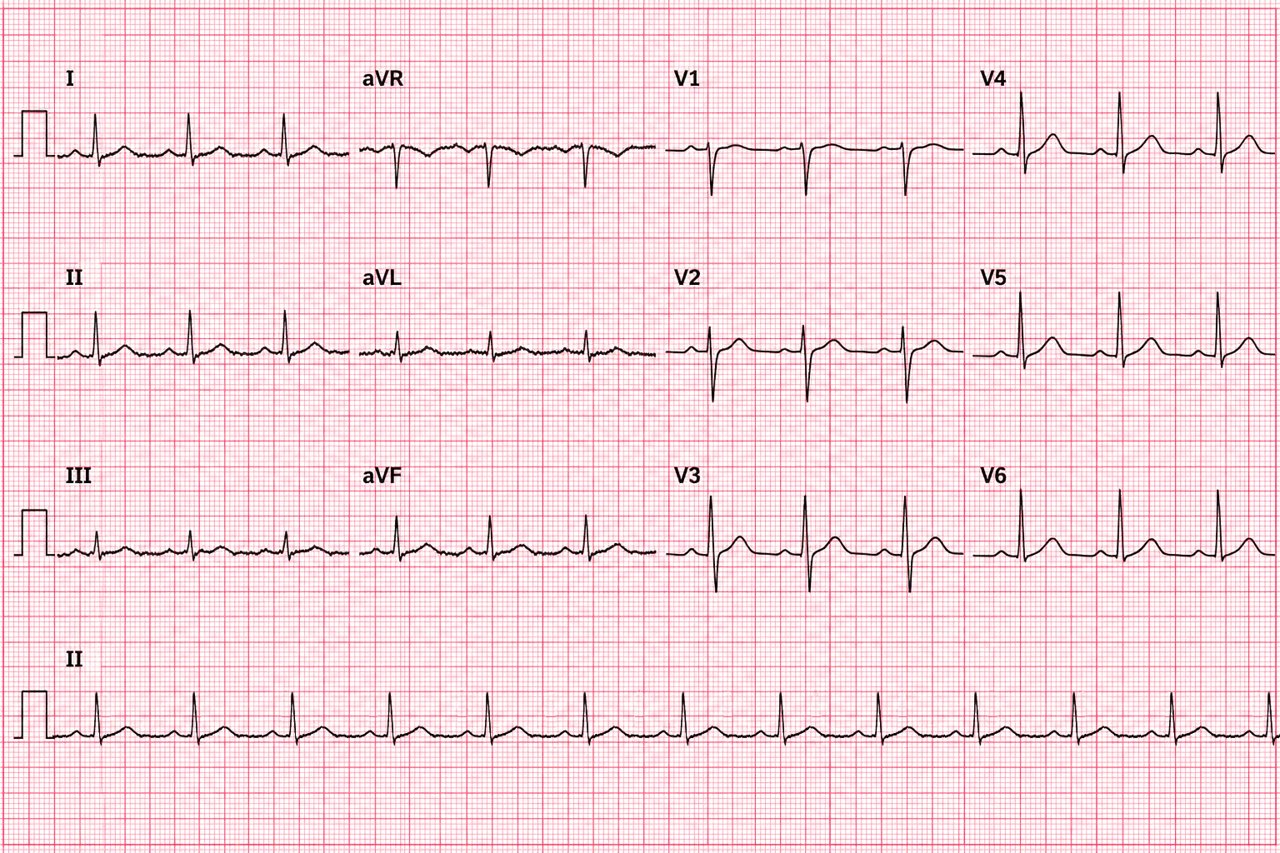
ECGs, imaging and microbiology reports sit in the chart, as they would in hospital.
Instructors mark against the model answer and release results when they choose.
Illustrations based on a demonstration case. Patient images are AI-generated and labelled as simulated.
Built to feel like a real electronic medical record
Full patient chart
Admission notes, daily progress notes, past admissions, labs with trend charts, and imaging reports.
Medication administration record
Doses given, held or missed by day and time, just as the nurse charted them.
Medication order review
Approve, modify or hold each order, with dose, route, frequency and a documented reason.
Patient images and bedside monitor
Realistic, clearly labelled simulated patients, with a monitor that matches the vital signs in the file.
One-day and two-day cases
On day two the patient has changed: new labs, new orders, and the results of yesterday's decisions.
Clinical alerts, your way
Show decision-support alerts, hide them, or keep them for rescue only, so students do not lean on the software.
Realistic cases grounded in international guidelines
Every case is written and reviewed by a clinical pharmacist before it reaches a class. Cases range from a single intervention to several, over one or two hospital days.
For faculty
- Ready-made cases, no authoring needed to start
- Sections, rosters and due dates in one place
- Marking screen with the model answer beside the student's work
- Release results when you decide, not before
For students
- Practise clinical reasoning on a full patient record
- Work on an iPad, tablet or phone, wherever you are
- See your score and your instructor's comments after release
- Build the habit of checking renal function, interactions and allergies every time
Simulated patients only
No real patient data, ever. Every image is labelled as a simulated patient.
Each university kept separate
Your students, classes and marks are visible only to your faculty.
Cases stay confidential
Students cannot download or copy model answers.
For education only
Clinoor is a teaching tool. It is not a medical device.
Try Clinoor with one course, free this term
We work with a small number of pharmacy and medical faculties each term. You choose the specialty; we prepare the cases, set up your instructors and students, and support you through the pilot.
Request a demo or a pilot
Send us an e-mail with your name, university and faculty, your role, and the course or specialty you have in mind. We reply within two working days.
contact@clinoor.app
If neither button opens your e-mail, copy the address above.